Interactive map · 1939–45
WW2 in Europe, step by step
Use Earlier and Later, or tap the bar, to move through 12 moments. Borders and labels change with each one.
Loading the map…
This is the same 3D map, built from real terrain, that the Steel & Sovereigns app uses in every lesson.
Timeline
WW2 in Europe timeline
Six years, three great powers against one, and a continent redrawn by fire.
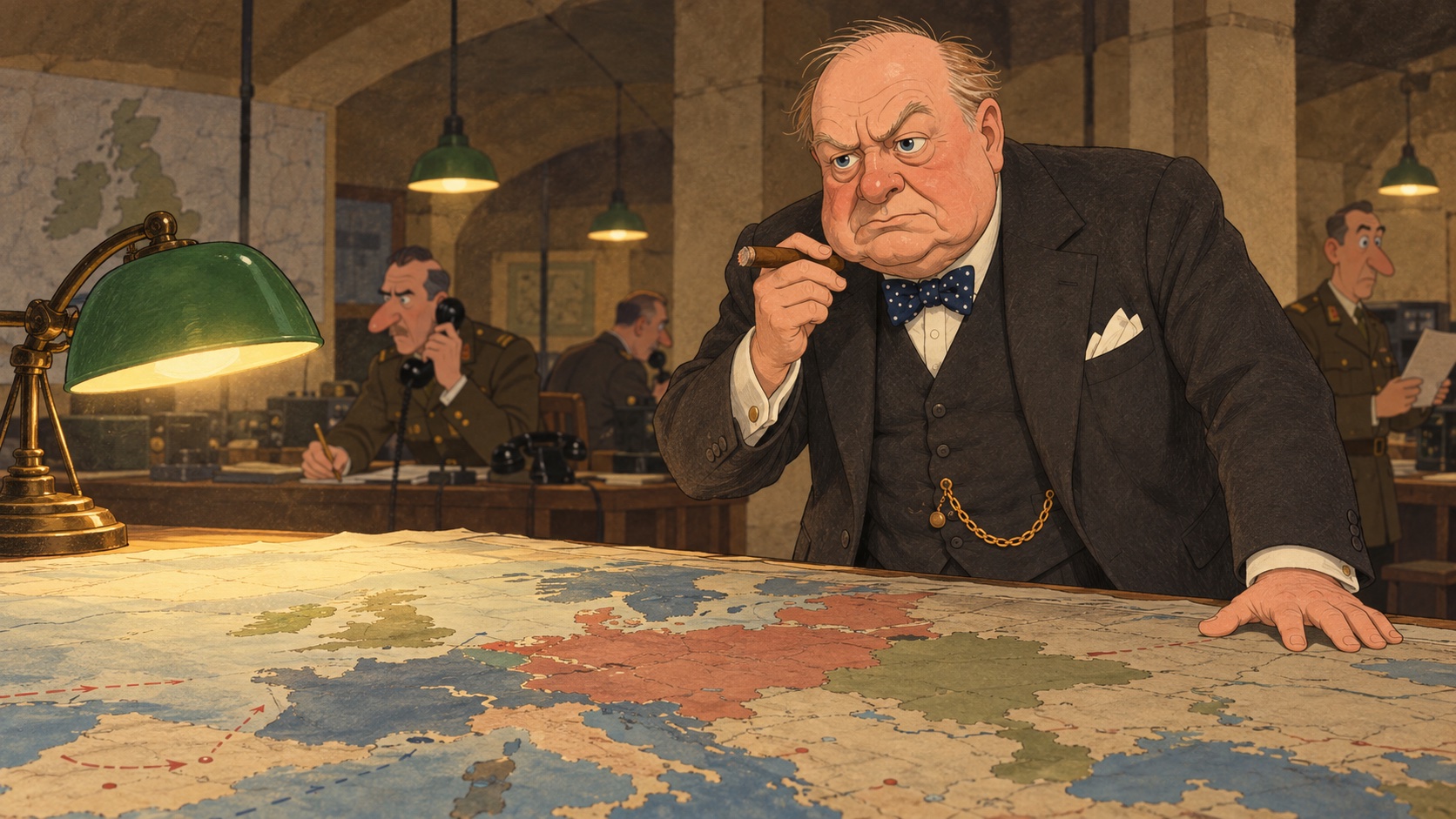
1 Sept 1939
Germany invades Poland
Poland falls. The West waits.
Hitler and Stalin split Poland in five weeks. Britain and France declared war, then sat still for eight months. People called it the Phoney War.
In the app: lesson “The Devil's Bargain”
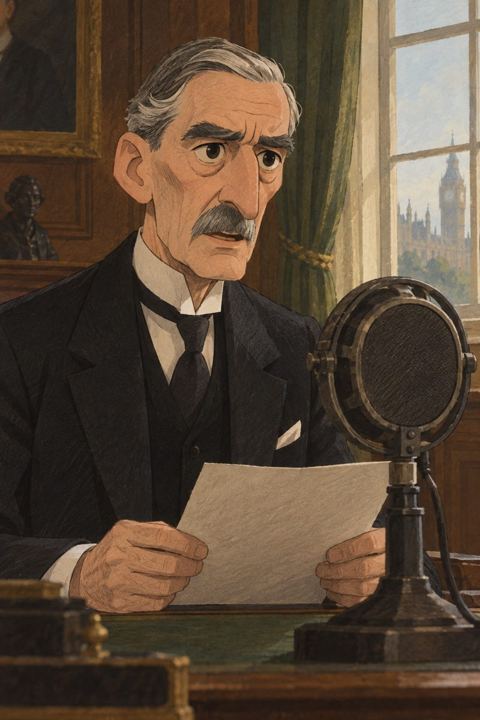
10 May 1940
Germany attacks in the west
The sickle cut.
Germany didn't beat the Maginot Line. It went around it, through a forest no one guarded properly. Now nearly 400,000 Allied soldiers are trapped against the sea.
In the app: lesson “Through the Forest”
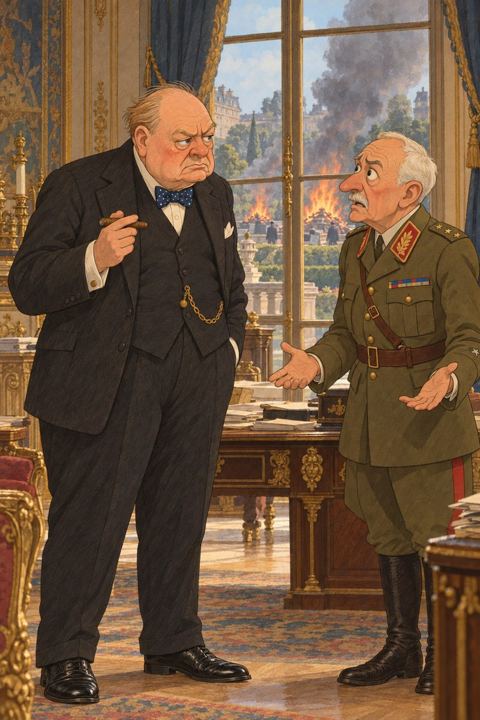
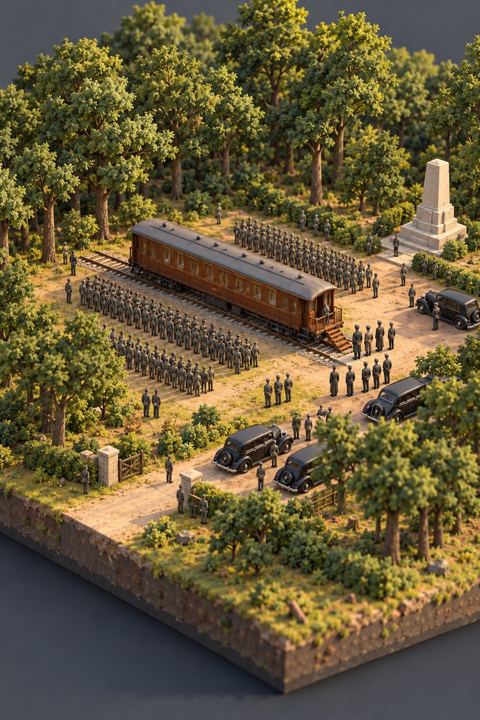
22 June 1940
France signs the armistice
France falls.
How did Germany win so fast? Surprise, speed, and tanks massed where no one was looking. Dunkirk saved Britain's army, but now Britain stands alone.
In the app: lesson “The Beaches and the Carriage”
15 Sept 1940
Battle of Britain Day
So much owed to so few.
Radar, a clever network, and pilots from Britain, Poland, Canada, Czechoslovakia and beyond won the sky. Churchill: never was so much owed by so many to so few. But Germany wasn't finished with Britain.
In the app: lesson “The Few”
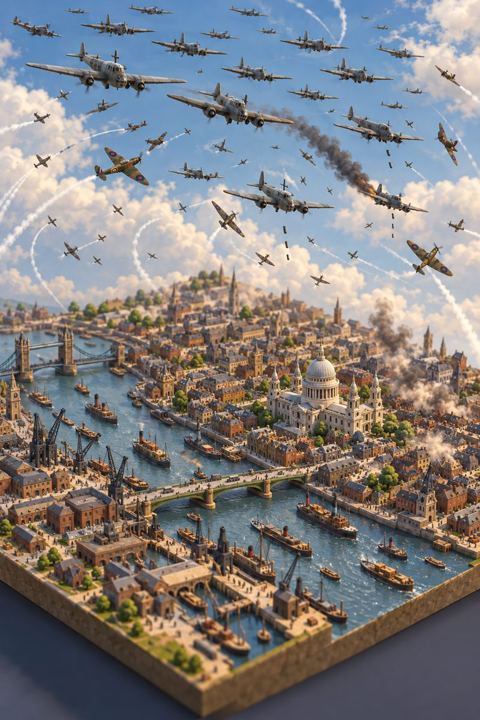
7 Sept 1940
The Blitz begins
Bombed, but not beaten.
Britain was bombed and nearly starved, but it held, through shelters, convoys, American help and broken codes. Meanwhile, the war spreads to the desert.
In the app: lesson “Fire and Water”

4 Nov 1942
Rommel retreats from El Alamein
The end of the beginning.
How did Britain survive alone? Radar and the Few, convoys and codebreakers, and outlasting Rommel, until America and the Soviet Union joined the fight.
In the app: lesson “The Desert Fox”
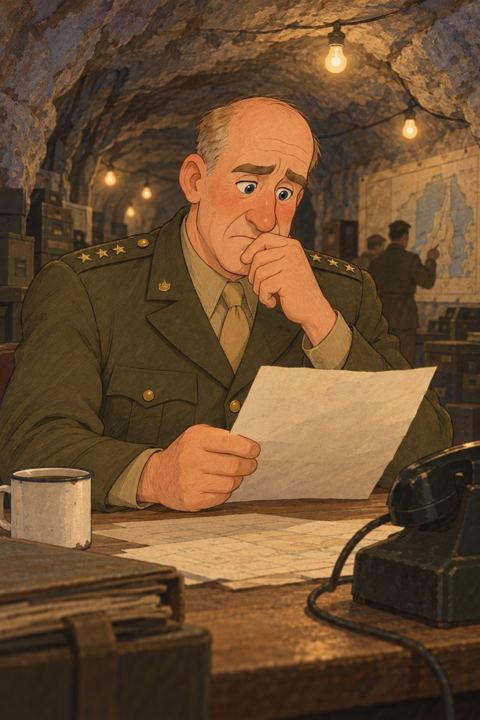
22 June 1941
Operation Barbarossa
The invasion of the century.
In three months Germany took Minsk, Smolensk and Kiev, and besieged Leningrad. Behind its armies, the Holocaust had begun. But summer is ending, and Moscow still stands.
In the app: lesson “Barbarossa”
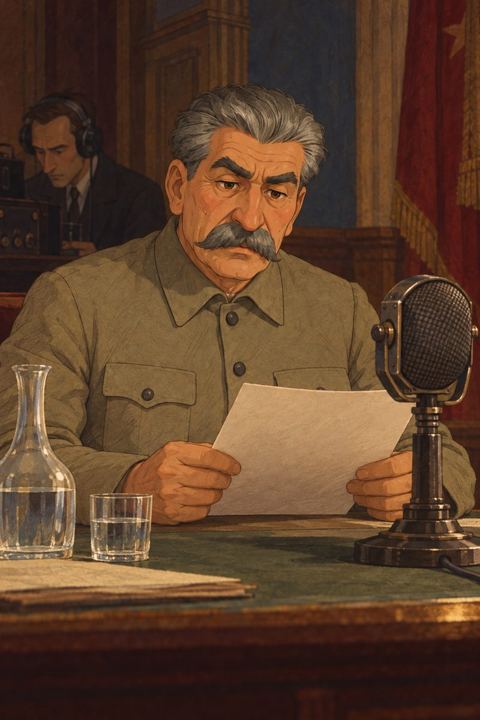
5 Dec 1941
The Moscow counter-offensive
Moscow holds.
For the first time, the German army had been stopped and thrown back. Hitler sacked his top generals and took command himself. In 1942 he would try again, further south.
In the app: lesson “The Gates of Moscow”
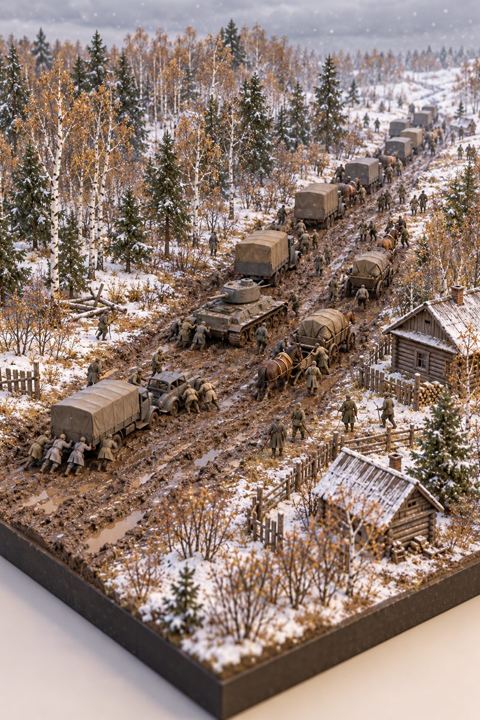
2 Feb 1943
The last Germans surrender at Stalingrad
The turning point.
Why did Hitler's invasion fail? He bet on a quick win and didn't get one. The Soviet Union took enormous losses, out-built Germany and learned to strike back. After Stalingrad and Kursk, the Red Army kept moving west.
In the app: lesson “Stalingrad”
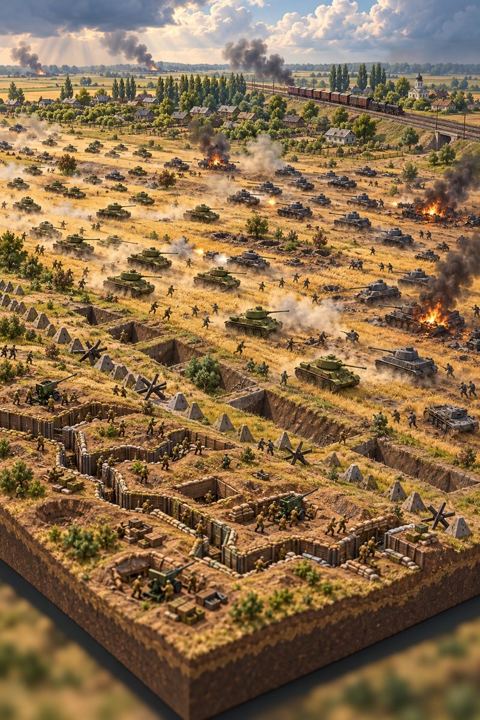
6 June 1944
D-Day
The longest day.
By nightfall the Allies are ashore in France, at a cost of around 10,000 casualties (estimates vary). The second front is open. Germany is now squeezed from the west, the south and the east.
In the app: lesson “The Longest Day”
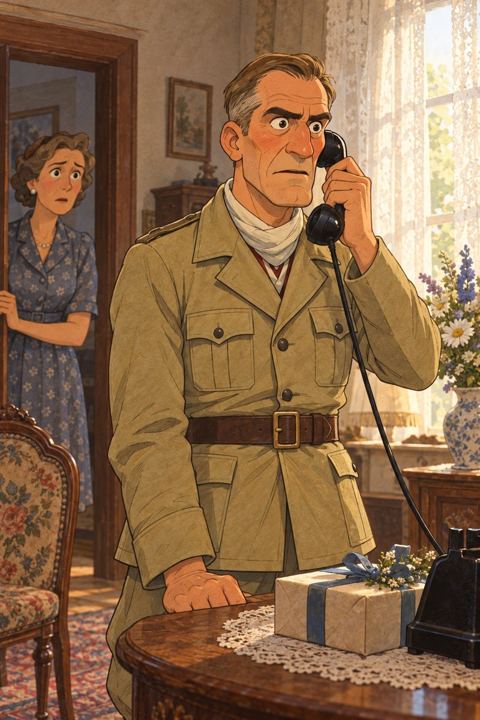
16 Dec 1944
The Battle of the Bulge
The ring tightens.
By February 1945, Germany is surrounded: the Western Allies near the Rhine, the Red Army on the Oder, less than 100 km from Berlin. One question is left: who will get there first?
In the app: lesson “The Same Forest Twice”
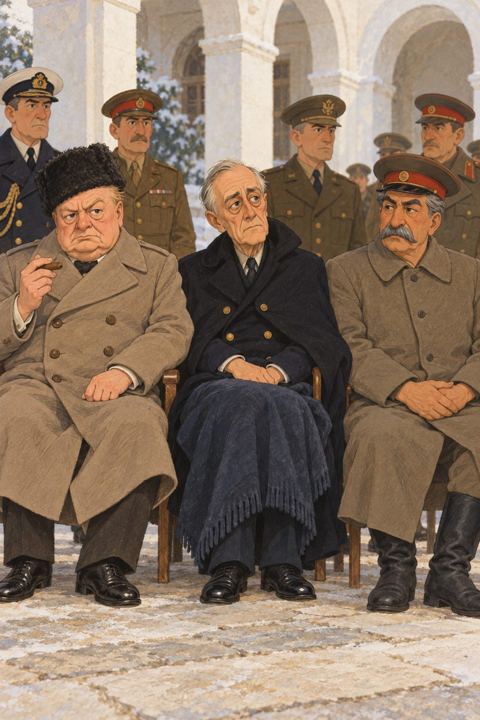
8 May 1945
Victory in Europe
Victory in Europe.
How did the Allies beat Hitler? By closing a ring: the Red Army from the east, Britain and America from the sea and the south, and factories Germany could never match. A cold war is about to begin.
In the app: lesson “The Fall of Berlin”
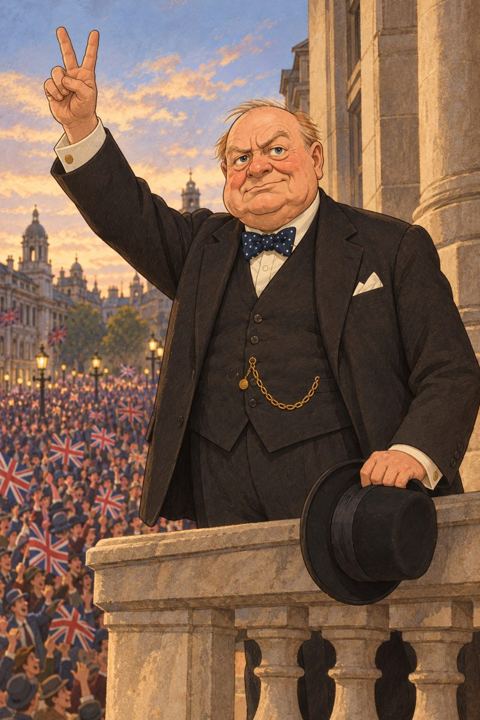
Learn it in the app
World War II: The War for Europe
Twelve five-minute lessons in four units, each with the map, hand-painted scenes, British narration and a few quick questions. Steel & Sovereigns is a history learning app for iPhone, built like Duolingo.
Unit 1
Blitzkrieg
- The Devil's Bargain
- Through the Forest
- The Beaches and the Carriage
Unit 2
Britain Alone
- The Few
- Fire and Water
- The Desert Fox
Unit 3
The Eastern Front
- Barbarossa
- The Gates of Moscow
- Stalingrad
Unit 4
The Ring Closes
- The Longest Day
- The Same Forest Twice
- The Fall of Berlin